
Spring propagation underway across the Parks
The horticultural team has begun its spring sowing programme, preparing a diverse selection of plants for use throughout the Park and by departments across the University. The annual propagation effort supports both the aesthetic and ecological value of the landscape, while also contributing plants for collaborative projects.
One of the key species currently being propagated is Cerinthe major, selected for its distinctive ornamental qualities and strong value to pollinators. Around 45 plants are being grown for installation in the Natural History Museum’s front borders. Once planted in May–June, these plants will produce striking blooms and attract bees with their honey-flavoured nectar.
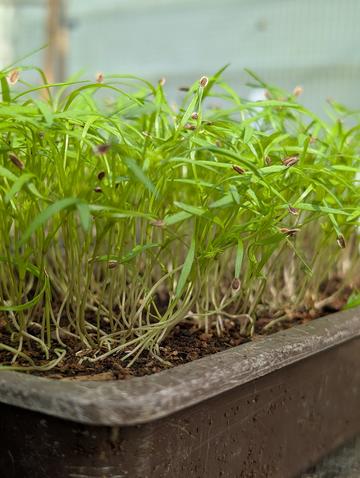
New plants being grown as part of the Parks spring propagation
The team is also cultivating Arctotis, chosen for its vibrant deep orange and white flowers. These plants will feature in displays throughout the Park, helping to support pollinating insects while adding a bold, warm-toned splash of colour to the summer landscape.
Propagation has also begun for Helichrysum bracteatum (strawflower). This species is prized for its long-lasting, papery blooms and excellent drought tolerance, making it a reliable choice for sustainable planting in more challenging conditions.
Alongside the Park’s planting programme, the team continues its annual collaboration with Reuben College to create and maintain a bespoke herb garden. Each year, herbs and edible flowers are grown from seed in the Park’s polytunnels and supplied to the College’s Head Chef. At the end of each season, the chef meets with the gardening team to review the year’s harvest and plan the following year’s planting. The collaboration aims to maintain a productive and attractive garden while providing organically grown herbs and edible flowers for the College’s culinary creations.
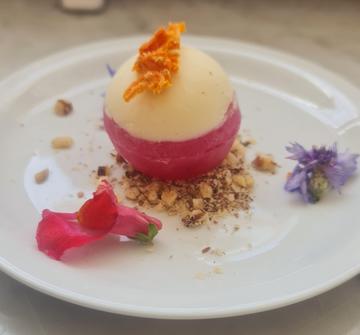
A dish created by the chefs at Reuben College using edible flowers
Elsewhere in the Park, the Hayrick border has recently been replanted with a new selection of plants, including several unusual species. The planting scheme has been designed not only for visual impact but also to provide a rich source of nectar and pollen for insects. To further enhance its ecological value, the nursery team is growing annual salvias from seed to plant among the perennials. Their vivid, long-lasting flowers are particularly attractive to pollinators.
Together, these initiatives highlight the horticultural team’s continued commitment to biodiversity, sustainability, and high-quality horticulture across the Park and the wider University landscape.

