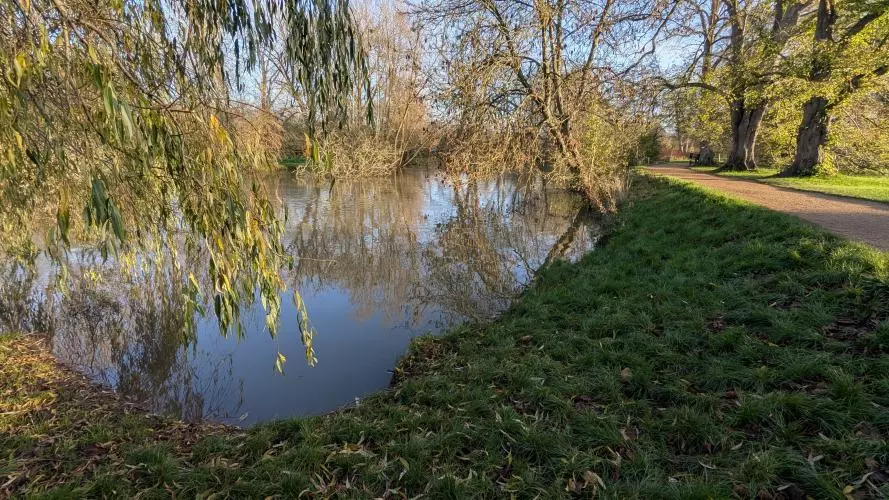
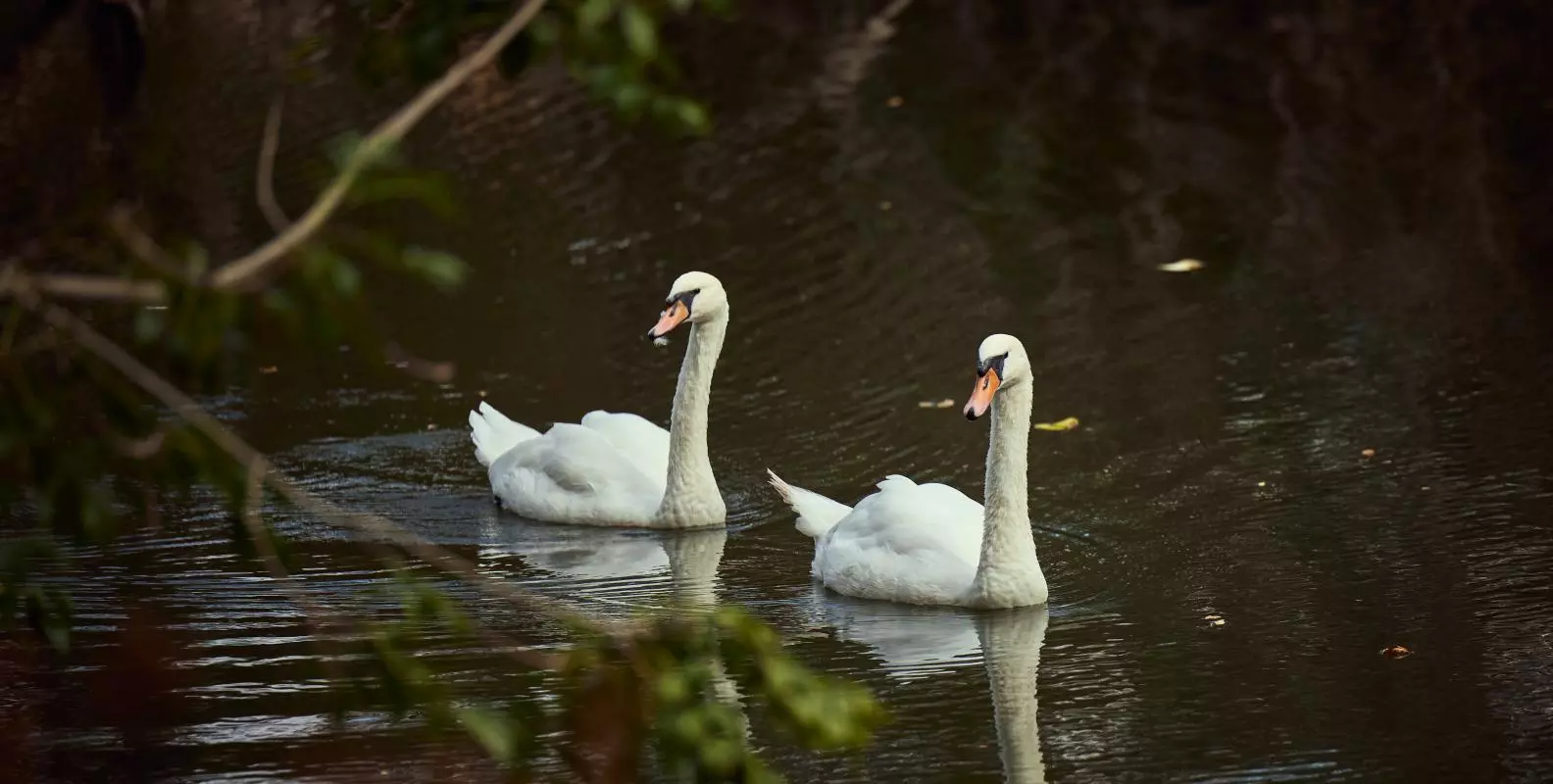
Discover the winding riverbanks, quiet ponds, and historic bathing spots shaping the unique landscape of University Parks.
Pond
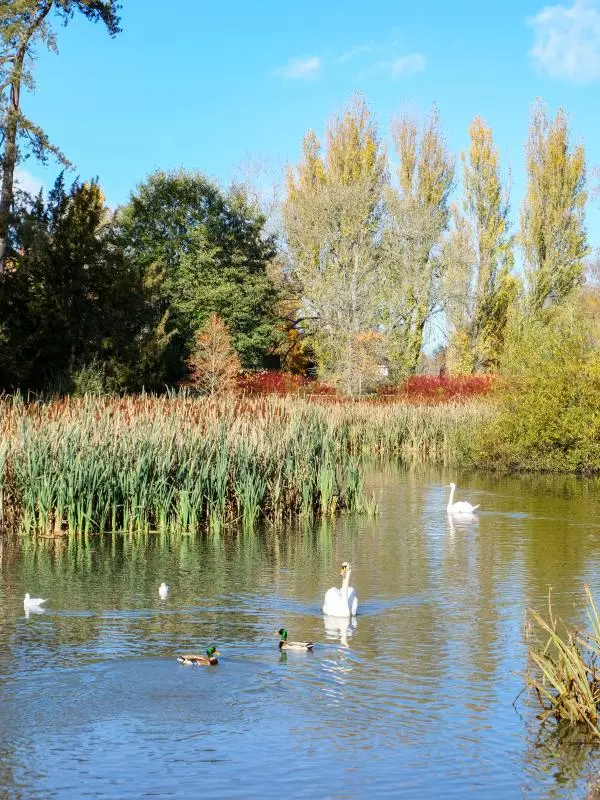
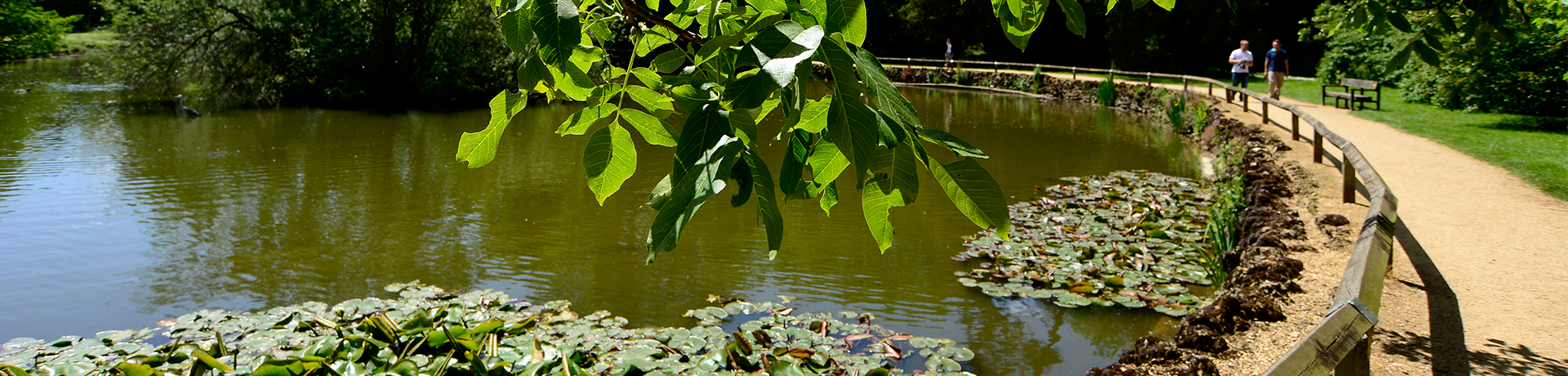
A circular lily pond was constructed in 1925. Its enlargement and landscaping to a design by the Parks Superintendent, Walter Sawyer in 1996 has made it less formal than the original pond, which was typical of a pond of the 1920s. The new design reflects the style intended by James Bateman's original plan for the Parks, which was submitted in 1863.
Bateman made a decisive impact on Victorian gardens and his plan for the Parks was popular. However, it was rejected following various concerns and after objections to the development cost (estimated at £9,475) were raised.
River Cherwell
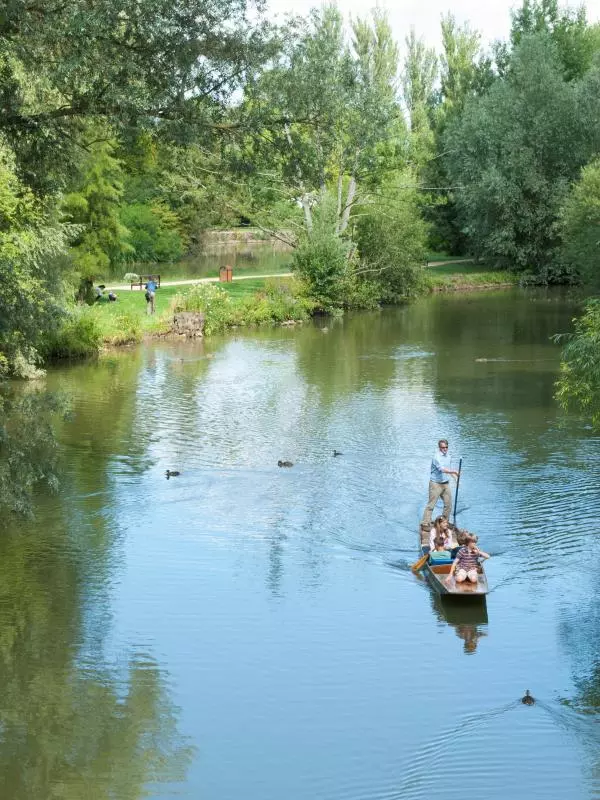
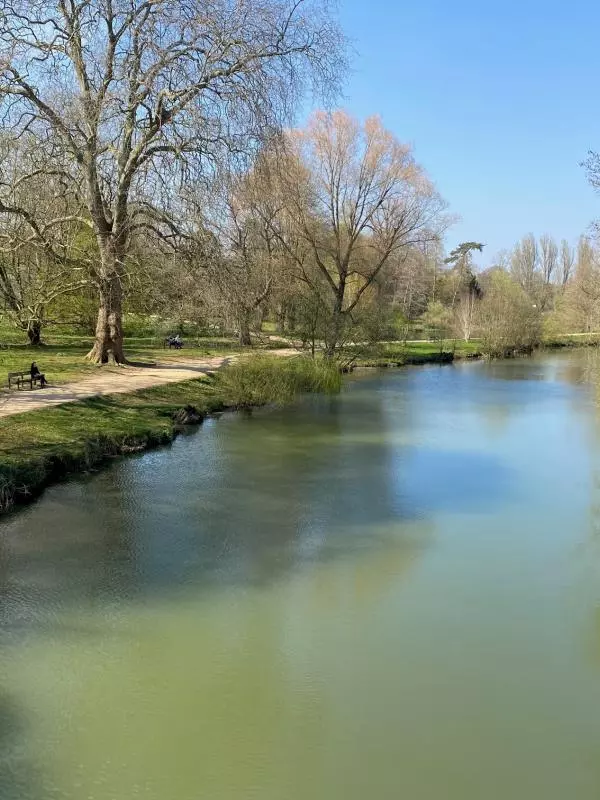
Forming the scenic eastern boundary of University Parks, the River Cherwell is a defining feature of Oxford life. Its slow-moving waters are a familiar sight during the summer months as punts pass between the main parkland and the river meadows beyond.
Beyond its recreational charm, the river serves as a vital natural corridor, supporting rich wildlife including kingfishers, grey herons, and a variety of waterfowl along its wooded banks. The Cherwell also connects several of the estate’s most famous landmarks – framing the arch of High Bridge (Rainbow Bridge) and splitting into upper and lower channels that carve out the secluded path of Mesopotamia.