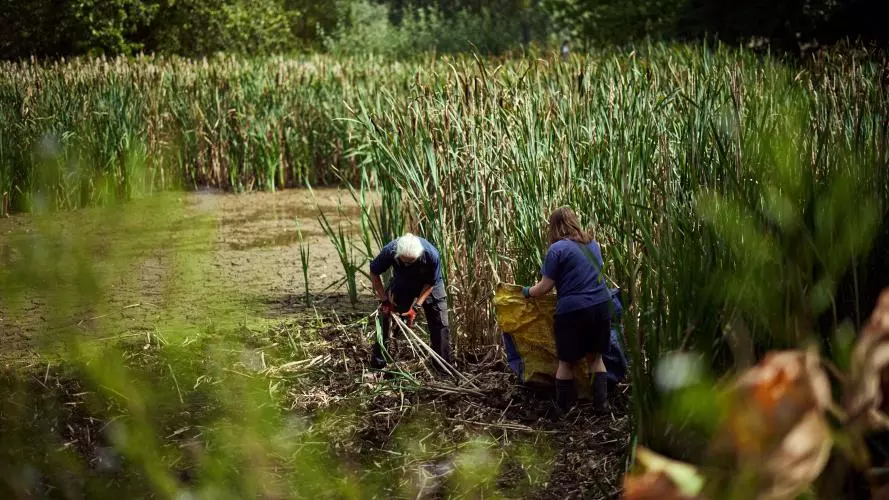
The talented team of gardeners and arborists, led by the Parks Superintendent, possesses a diverse range of ever-evolving skills to not only manage our beautiful Parks, but also over 200 other sites across the city.
Looking after the Parks
The University Parks has been developed and managed by the University since purchasing the farmland site from Merton College in 1853 to become an arboretum and a place for recreation.
The versatile work of the Parks team enables this Grade II listed space to be enjoyed for a range of activities including organised sports, dog walking, bird-watching, picnics, exercise, photography and as a venue for private and organised events such as Giffords Circus and charity runs.
Looking after the University Estate
The list of sites beyond the Parks that the team tends to is impressive. It includes college quads, residential sites and public spaces such as Radcliffe Square. They're also responsible for operating and maintaining the machinery required to do all this work which includes tractors, stump grinders and cement mixers.
Sustainability
The team does their bit for the environment too. 'We recycle as much of the rubbish as possible that is left by visitors to the Park - which can amount to a staggering four cubic metres a week during the summer.'
'We also reuse material from project work, such as the 3,000 tonnes of excavated material taken from the Rodney Porter building. This ballast, called Hoggin, is used to maintain the pathways in the Parks in the traditional way. The green waste that is generated as part of our operation, around 400 tonnes, is processed into compost every year. This is used as a soil improver and to help retain moisture levels in the ground during the summer months.'
We recycle as much of the rubbish as possible that is left by visitors to the Park - which can amount to a staggering four cubic metres a week during the summer.'
The team also reuse material from project work, such as the 3,000 tonnes of excavated material taken from the Rodney Porter building. This ballast, called Hoggin, is used to maintain the pathways in the Parks in the traditional way. The green waste that is generated as part of our operation, around 400 tonnes, is processed into compost every year. This is used as a soil improver and to help retain moisture levels in the ground during the summer months.
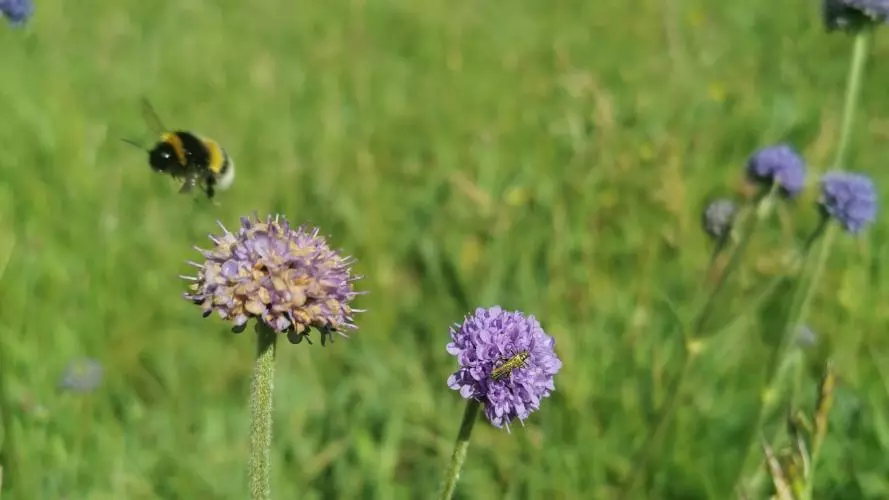
The team works closely with the University's Environmental Sustainability team to increase biodiversity across the Estate and use sustainable conservation techniques.
Nursery and plant collections
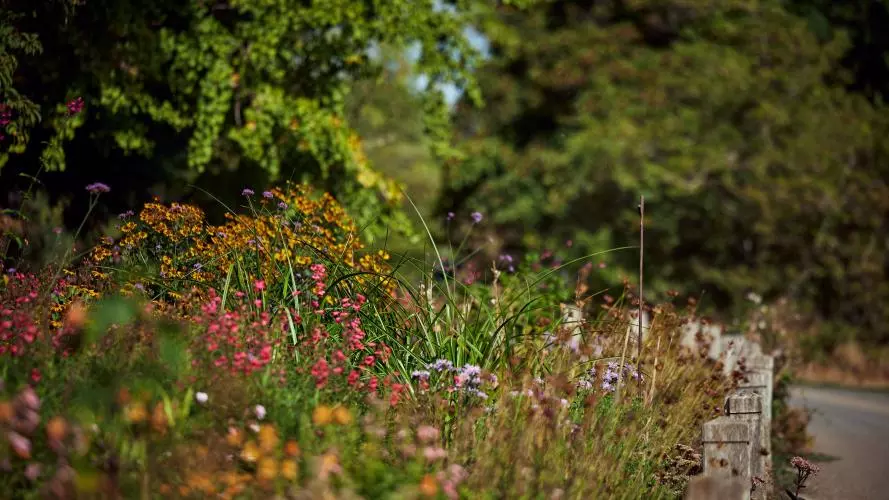
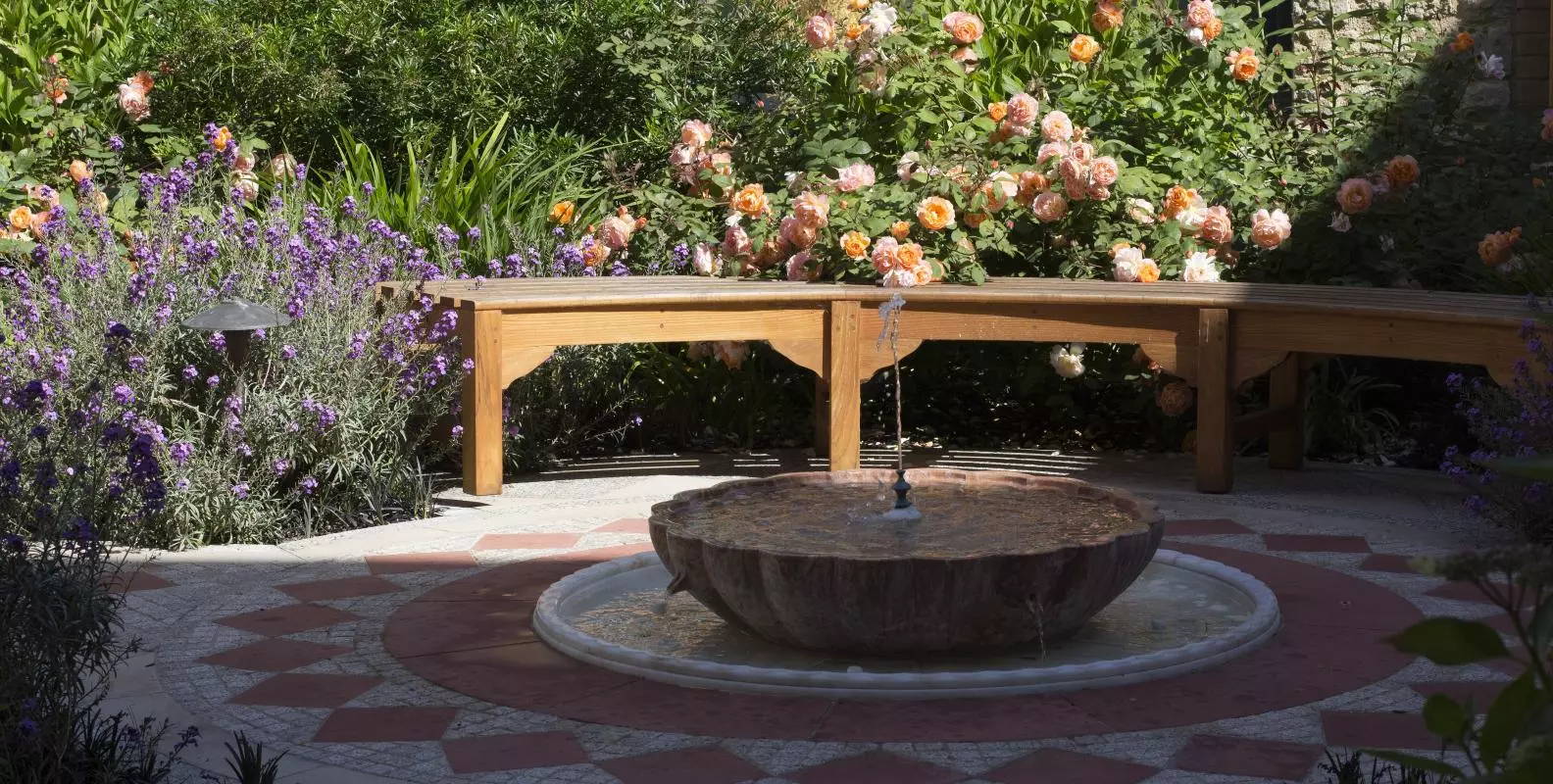
The team manages its own nursery and boasts a plant collection that complements the Botanic Garden. And, as the Botanic Garden plants mainly for teaching and research purposes, Park's staff can indulge in cultivating plants for their aesthetic qualities and take pride in the wide range of shrubs on show, including over 40 species of Hawthorn alone.
And, of course, behind the landscaping, arboriculture and horticulture is all the unseen administration work that makes everything else possible.
To contact the team with work enquiries please call 01865 282040 or email: university.parks@admin.ox.ac.uk
Caring for the trees
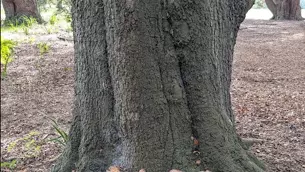
Trees are another stunning feature of the Parks. The team care for the 1,600 trees found there plus the rest of the University's stock dotted around the city - over 3,500 trees in total. All of the trees are checked for safety at least once every three years, with older trees assessed annually.
Behind the scenes
And, of course, behind the landscaping, arboriculture and horticulture is all the unseen administration work that makes everything else possible.
To contact the team with work enquiries, please call 01865 282040 or email: university.parks@admin.ox.ac.uk